







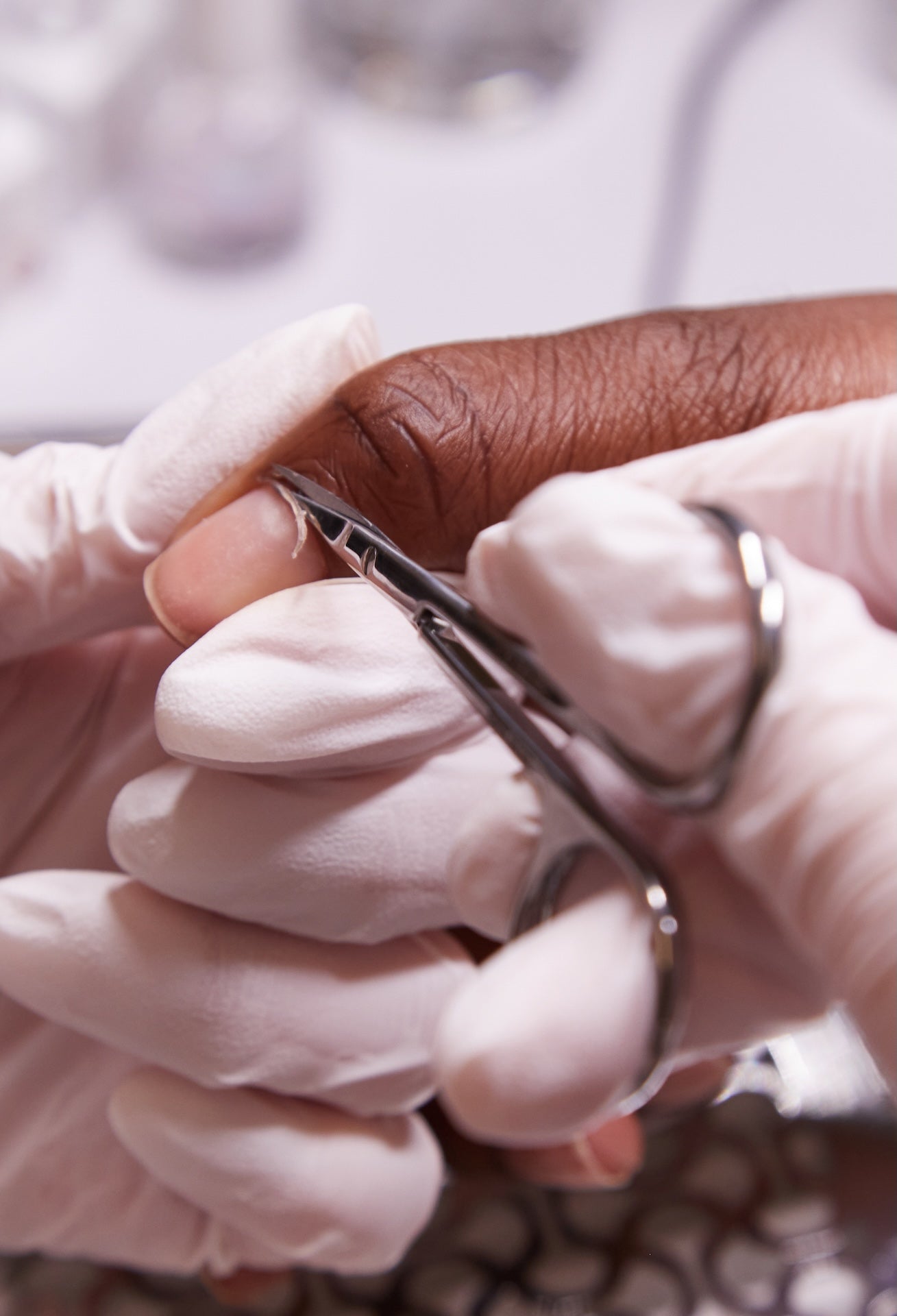

Beginner’s Guide to Starting a Nail Technician Business in the UK


Table of Contents
Starting a nail technician business in the UK can be a rewarding venture, offering flexibility, creativity, and the opportunity to build a loyal client base. However, it requires careful planning, investment, and a solid understanding of the industry. Here’s a comprehensive guide to help you get started.
Step 1: Obtain Necessary Qualifications
1. Enroll in a Nail Technician Course
- Accredited Programs: Choose a reputable and accredited nail technician course. These programs cover essential skills, including manicure, pedicure, gel and acrylic nails, nail art, and hygiene practices.
- Certification: Upon completion, you will receive a certification that qualifies you to work as a nail technician.
2. Gain Experience
- Practice: Gain practical experience by practicing on friends, family, or volunteering at local salons. This helps you refine your skills and build confidence.
- Work in a Salon: Consider working in a salon to gain industry experience and understand the business operations.
Step 2: Create a Business Plan
1. Define Your Business Model
- Home-Based or Salon: Decide whether you want to operate from home, open your own salon, or rent a space in an existing salon.
- Mobile Services: Consider offering mobile nail services, where you visit clients at their homes.
2. Market Research
- Target Market: Identify your target market. Understand their needs, preferences, and spending habits.
- Competition: Research your competitors to understand what services they offer and their pricing strategies.
3. Financial Planning
- Budget: Create a detailed budget that includes startup costs, ongoing expenses, and projected income.
- Funding: Explore funding options such as personal savings, business loans, or grants for small businesses.

Step 3: Register Your Business
1. Choose a Business Structure
- Sole Trader: Simple to set up and operate. You are personally responsible for your business debts.
- Limited Company: Offers limited liability protection. Requires more paperwork and compliance.
2. Register with HMRC
- Tax Registration: Register your business with HMRC for tax purposes. Ensure you understand your tax obligations, including income tax and VAT if applicable.
3. Obtain Necessary Licenses
- Local Council: Check with your local council for any specific licenses or permits required to operate a nail technician business.
Step 4: Set Up Your Workspace
1. Equipment and Supplies
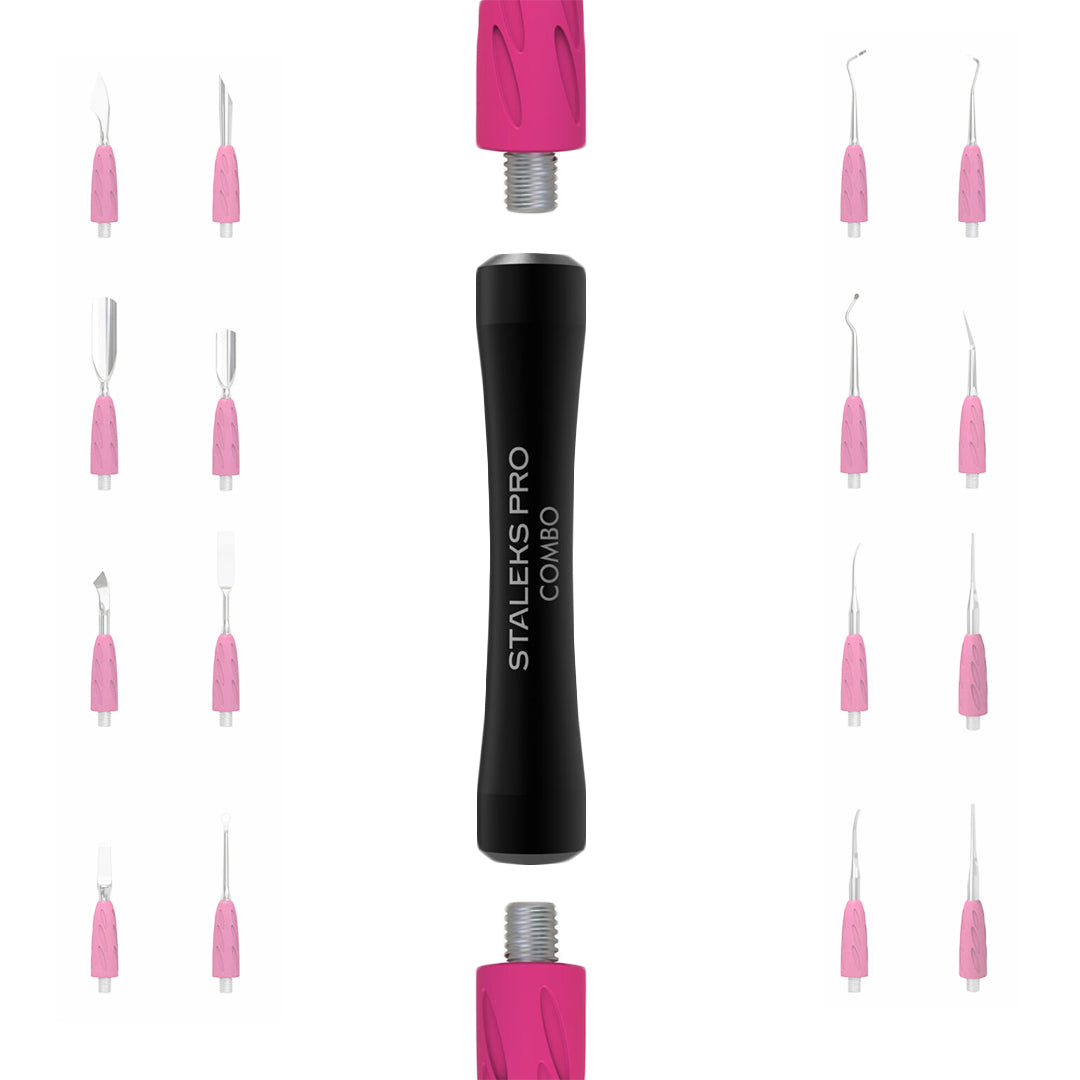
- Essential Tools: Invest in high-quality tools such as nail files, clippers, cuticle pushers, buffers, and UV/LED lamps.
- Products: Stock up on nail polishes, gels, acrylics, nail art supplies, and hygiene products.
2. Workspace Design
- Ergonomic Setup: Design an ergonomic workspace to ensure comfort and efficiency. Ensure proper lighting and ventilation.
- Sanitation: Set up sanitation stations with sterilizers for tools and hand sanitizers for clients.
Step 5: Develop Your Brand
1. Branding
- Logo and Name: Create a memorable logo and business name that reflects your style and services.
- Business Cards: Design professional business cards to distribute to potential clients.
2. Online Presence
- Website: Create a user-friendly website showcasing your services, pricing, and contact information. Include an online booking system.
- Social Media: Utilize platforms like Instagram and Facebook to showcase your work, share client testimonials, and engage with your audience.
Step 6: Marketing and Promotion
1. Local Advertising
- Flyers and Posters: Distribute flyers and posters in your local area to attract clients.
- Local Partnerships: Partner with local businesses, such as hair salons and spas, to cross-promote services.
2. Online Marketing
- SEO: Optimize your website for search engines to attract local clients searching for nail services.
- Social Media Ads: Run targeted social media ads to reach your desired audience.

Step 7: Build and Maintain Client Relationships
1. Exceptional Customer Service
- Personalized Experience: Offer personalized services to make clients feel valued and appreciated.
- Loyalty Programs: Implement a loyalty program to reward repeat clients.
2. Client Retention
- Follow-Up: Follow up with clients after their appointments to gather feedback and address any concerns.
- Regular Updates: Keep clients informed about new services, promotions, and special offers through newsletters and social media.
Starting a nail technician business in the UK requires dedication, planning, and continuous learning. By obtaining the necessary qualifications, creating a solid business plan, and effectively marketing your services, you can build a successful nail technician business. Focus on providing high-quality services and exceptional customer experiences to grow your client base and ensure long-term success.
Comments will be approved before showing up.